


Are Eco-Friendly Tableware Products More Expensive? A Cost Analysis for Bagasse, Cornstarch, and PET Alternatives
Comparing Cost Structures to Help Buyers Manage Budgets While Improving Sustainability
When transitioning from petroleum-based plastics to eco-friendly materials, cost is one of the biggest concerns for distributors and foodservice operators. This article compares the cost structure of bagasse, cornstarch, and PET alternatives to help buyers understand how to manage budgets while improving sustainability.
1. Raw Material Cost Comparison
Understanding the true cost of sustainable materials requires looking beyond initial price perceptions to actual production economics.

Bagasse: The Cost-Effective Natural Alternative
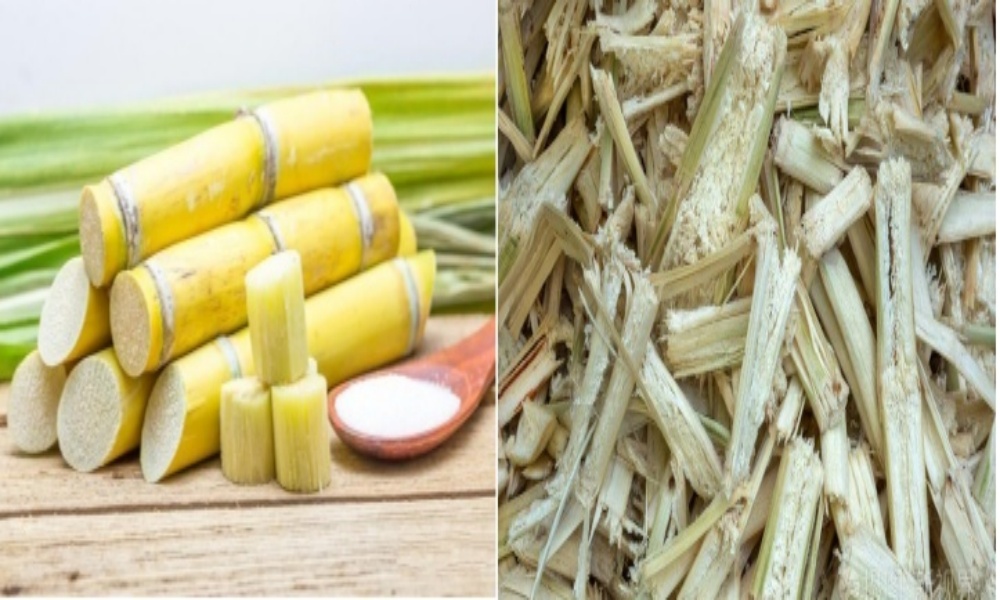
Contrary to common belief, bagasse is not inherently more expensive than plastic. Because it is made from agricultural waste, its raw material cost is stable and widely available. On average, bagasse products are 15-20% cheaper than traditional paper-based disposables with plastic lining and often cost similar to mid-grade plastic items.
Cornstarch and PET: Performance-Based Pricing
Cornstarch products fall somewhere in between, depending on formulation and region. PET and rPET products remain cost-competitive for cold drinks, and many factories can adjust recycled content based on regional requirements and price points.
| Material | Cost Compared to Traditional Plastic | Primary Cost Drivers | Best Value Applications |
|---|---|---|---|
| Bagasse | 15-20% cheaper than paper/plastic composite | Agricultural by-product, stable supply, efficient molding | Hot food containers, plates, bowls, clamshells |
| Cornstarch (PLA/CPLA) | Comparable to mid-range plastics | Starch processing, fermentation, crystallization | Cutlery, cold containers, lids |
| PET/rPET | Most competitive for cold applications | Recycled content percentage, clarity requirements | Cold drink cups, salad containers, clear packaging |
2. Logistics and Shipping Cost Optimization
Shipping plays a major role in total cost and offers significant opportunities for savings through strategic planning.
Container Density Advantages
Bagasse products generally have higher stacking density, allowing more units per container. Importers targeting the U.S. or Europe often achieve 8-12% lower landed cost by choosing optimized packaging configurations provided by experienced factories.
Order Structure Optimization
Full-container orders can reduce per-unit pricing by 5-12%, and choosing standard SKUs instead of custom molds reduces both tooling fees and long-term production cost. Buyers entering large retail programs typically standardize 8-12 high-volume SKUs to maximize cost efficiency.

3. Regulatory and Hidden Cost Considerations
Cost analysis must extend beyond purchase price to include regulatory compliance and operational efficiencies.
Avoiding Regulatory Penalties
However, cost is not only about raw material price. Eco-friendly products reduce waste-management fees in countries with strict regulations. Markets such as France, Germany, and several U.S. states impose penalties or bans on petroleum plastics, meaning sustainable alternatives help buyers avoid fines or rejections from major retailers.
Performance-Based Cost Savings
Performance should also be part of cost consideration. Bagasse's heat resistance and structural strength prevent leakage and reduce product waste for restaurants. Cornstarch utensils provide a strong mouthfeel comparable to PP, improving customer satisfaction and reducing complaints.
| Hidden Cost Factor | Traditional Plastic | Sustainable Alternatives | Potential Savings |
|---|---|---|---|
| Regulatory Compliance Fees | Potential fines and penalties | Compliant with current and upcoming regulations | Avoidance of fines up to 25% of product value |
| Waste Management Costs | Higher disposal fees in regulated markets | Compostable/recyclable options reduce fees | 15-30% reduction in waste management costs |
| Product Failure/Replacement | Leakage, deformation in hot applications | Superior heat and oil resistance | Reduced waste and customer complaints |
4. Strategic Sourcing for Cost Optimization
Overall, eco-friendly disposable tableware provides strong cost value when sourced strategically. Distributors balancing sustainability and budget can optimize through several key approaches:
| Strategy | Implementation | Cost Impact |
|---|---|---|
| SKU Consolidation | Standardize on 8-12 high-volume items | 5-15% reduction through volume pricing |
| Container Optimization | Full-container loading with mixed SKUs | 8-12% lower shipping cost per unit |
| Material Matching | Use bagasse for hot, PET for cold applications | Optimal performance at lowest material cost |
| Regulatory Alignment | Select materials compliant with target markets | Avoidance of penalties and market rejections |
Conclusion: Achieving Cost-Effective Sustainability
The perception that sustainable tableware is significantly more expensive than traditional options is often based on incomplete analysis. When considering total cost of ownership—including raw materials, shipping efficiency, regulatory compliance, and performance benefits—eco-friendly alternatives frequently offer competitive or superior value.
Distributors and foodservice operators can achieve competitive landed pricing across major markets by strategically selecting materials based on application needs, optimizing shipping configurations, and standardizing high-volume SKUs. The key is partnering with experienced manufacturers who understand both sustainability requirements and practical cost management.
By taking a comprehensive approach to cost analysis that includes both direct and indirect factors, buyers can successfully transition to sustainable tableware while maintaining or even improving their bottom line. The long-term benefits—including regulatory compliance, customer satisfaction, and environmental responsibility—make this transition not just ethically sound but financially smart.